Common Orthodontic Issues
Every Smile Starts Somewhere
Every smile develops differently, and concerns like crowding, spacing, or an uneven bite can show up at any age.
At Bayer & Curtis Orthodontics, Dr. Leigh Curtis will take a close look at your smile, explain what she’s seeing, and help you understand whether treatment makes sense now, later, or at all.
Because sometimes the right next step is treatment. Other times, especially for growing kids, it’s simply keeping an eye on things until the time is right.
Understanding Your Orthodontic Needs
Orthodontics is about more than making teeth look straight. The way your teeth and jaws fit together can affect your bite, tooth wear, oral hygiene, and long-term dental health.
Some concerns are easier to address while a child is still growing, and many others can be successfully treated during the teen or adult years.
Depending on what Dr. Curtis sees, she may recommend braces, clear aligners, expansion, or another orthodontic approach.
The goal isn’t simply a straighter smile. It’s a healthy, stable bite and a smile built to last.
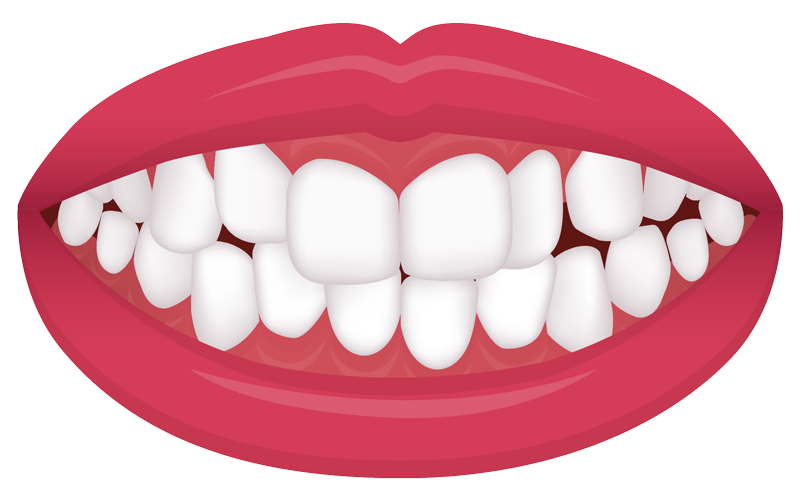
Crowded Teeth
Crowding occurs when there isn’t enough room for all of the teeth to fit properly within the jaws. Teeth may overlap, rotate, or erupt in the wrong position.
Crowded teeth can also create tight spaces that are more difficult to brush and floss effectively.
Depending on your age, the amount of crowding, and how your jaws have developed, treatment may include braces, clear aligners, expansion, or another approach to create space and guide the teeth into healthier positions.
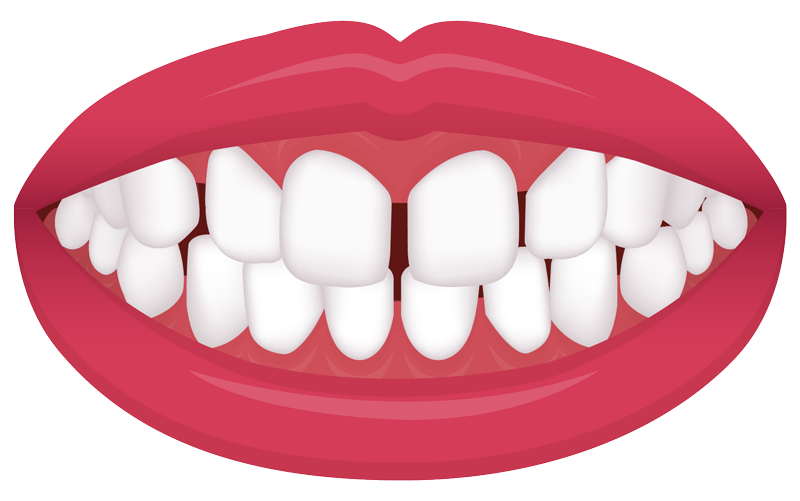
Spacing Between Teeth
Gaps between teeth can occur naturally or develop because of missing or undersized teeth, differences between tooth and jaw size, or certain oral habits.
Some spacing between baby teeth is actually a healthy part of childhood development because it creates room for larger permanent teeth to come in.
When unwanted spacing remains after the permanent teeth erupt, orthodontic treatment can help close or redistribute those spaces to create a more balanced smile and bite.
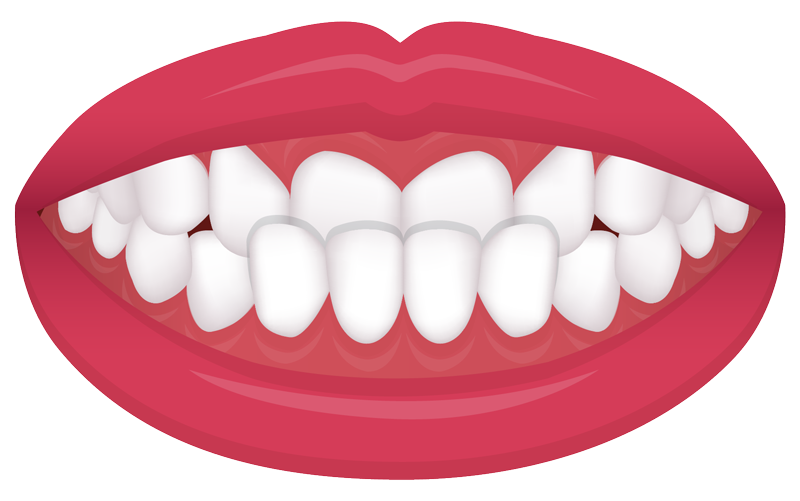
Underbite
An underbite occurs when the lower front teeth sit in front of the upper front teeth when biting down.
It may develop because of tooth position, differences in upper and lower jaw growth, or a combination of both. Depending on its severity, an underbite can affect chewing, tooth wear, speech, and facial balance.
For growing children, identifying an underbite early can be particularly helpful because treatment may be able to guide jaw development while growth is still occurring.
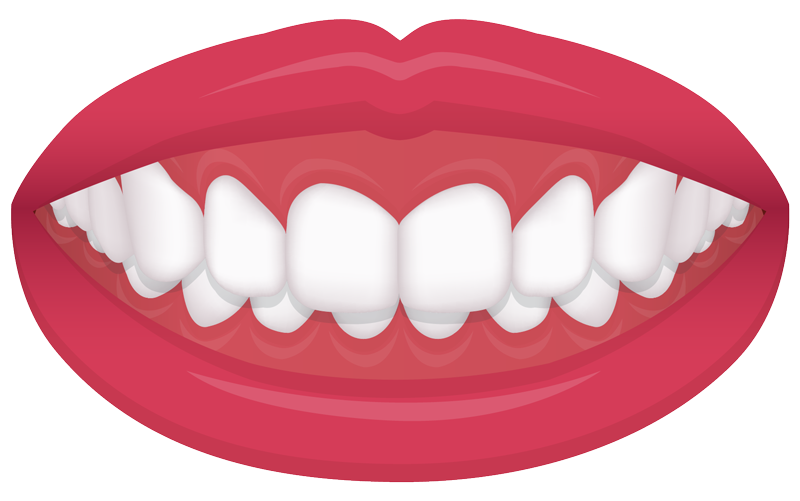
Overbite
An overbite describes how much the upper front teeth vertically overlap the lower front teeth.
Some overlap is normal, but a deep overbite can contribute to excessive tooth wear, gum concerns, or difficulty biting comfortably.
Treatment depends on what’s causing the overbite and may involve braces, clear aligners, or other orthodontic appliances.
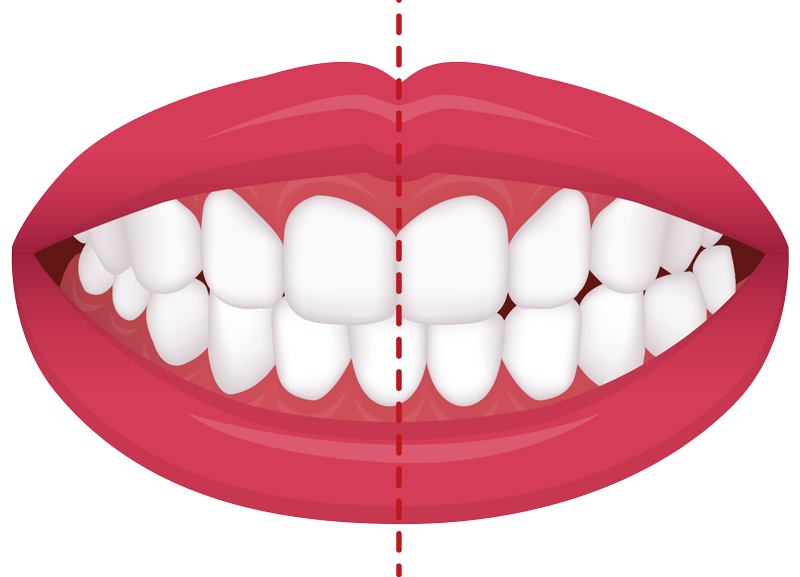
Crossbite
A crossbite occurs when one or more upper teeth sit inside the lower teeth when biting down rather than slightly outside them.
Crossbites can involve the front or back teeth and may be related to tooth position, jaw development, or both.
When identified in a growing child, Dr. Curtis may recommend expansion or another early orthodontic approach to improve the relationship between the upper and lower jaws.
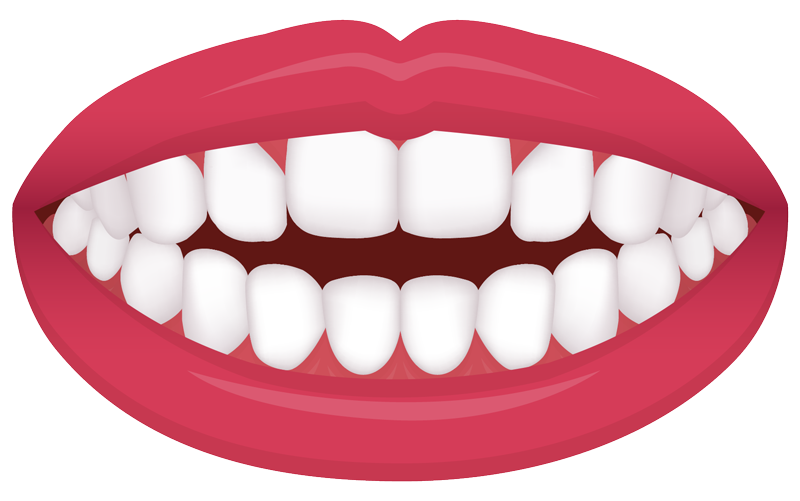
Open Bite
An open bite occurs when the upper and lower teeth don’t meet in certain areas when the mouth is closed. It most commonly affects the front teeth.
Open bites may be related to jaw growth, tongue position, prolonged thumb or finger sucking, pacifier use, or other developmental factors.
Because an open bite can make biting into foods more difficult and may affect speech, understanding what’s causing it is an important part of determining the right treatment.
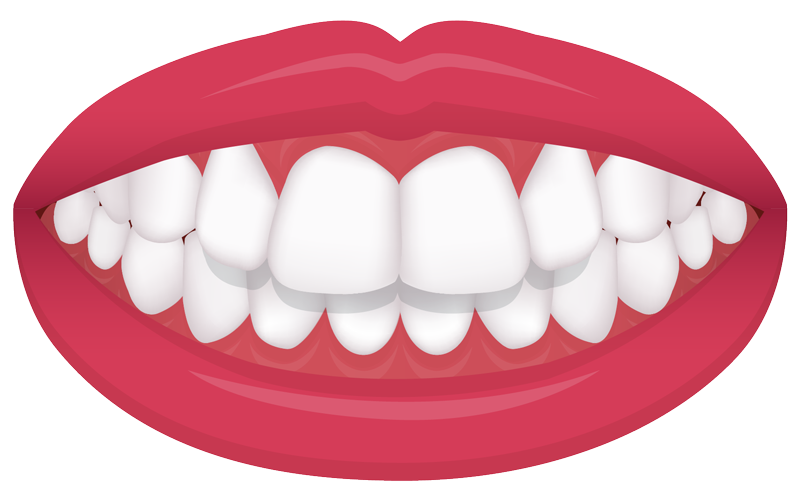
Protruding Teeth (Overjet)
Overjet occurs when the upper front teeth project too far forward in relation to the lower teeth.
Unlike an overbite, which describes vertical overlap, overjet describes the horizontal distance between the upper and lower front teeth.
Significant protrusion may affect facial balance and leave the upper front teeth more vulnerable to injury. Orthodontic treatment can help improve their position while creating a healthier relationship between the teeth and jaws.
How do we treat orthodontic problems?
No two smiles need exactly the same thing.
During your complimentary consultation, Dr. Curtis will evaluate your teeth, bite, jaw development, facial balance, and goals before talking you through her recommendations.
Depending on your needs, treatment may include:
- Traditional metal or clear braces
- Invisalign® or Angel Aligner™ clear aligners
- Orthodontic appliances for expansion, growth guidance, or bite correction
- Early orthodontic treatment for growing smiles
- Personalized orthodontics for teens and adults
- Surgical orthodontics for more complex jaw and bite concerns
And because Bayer & Curtis is a privately owned, hometown practice, you’ll receive personalized care from a team that takes the time to know you, answer your questions, and make sure you understand the why behind your treatment.
Frequently Asked Questions About Orthodontic Issues
Can crowded teeth be fixed without braces?
Yes, some cases of crowded teeth can be treated with clear aligners. Other patients may benefit from braces, expansion, or a different orthodontic approach.
Dr. Curtis will evaluate the available space, the position of your teeth, and your bite before recommending the option that makes the most sense for your smile.
Do bite problems get worse over time?
Some can. Bite problems may change as a child’s teeth and jaws develop, while certain untreated concerns in adults can contribute to uneven tooth wear or other functional issues over time.
An orthodontic evaluation can help determine whether treatment is necessary and, particularly for children, whether there’s an ideal time to intervene.
Can adults correct orthodontic problems?
Absolutely. Healthy teeth can be moved at almost any age.
We treat adults with crowding, spacing, bite concerns, and more complex orthodontic needs. Depending on your smile and preferences, treatment may include Invisalign®, Angel Aligner™, clear braces, or traditional metal braces.
Can clear aligners fix bite problems?
Yes, clear aligners can treat many types of bite and alignment concerns, but they aren’t the right solution for every smile.
At Bayer & Curtis Orthodontics, your clear aligner treatment is planned and overseen by Dr. Curtis based on your individual teeth, bite, and long-term treatment goals.
What's the difference between an overbite and an overjet?
An overbite describes how far the upper front teeth overlap the lower teeth vertically. Overjet describes how far the upper front teeth extend forward horizontally.
You can have an overbite, an overjet, or both at the same time.
When should my child see an orthodontist?
The American Association of Orthodontists recommends a child’s first orthodontic checkup around age 7.
Think of it as a well-check for their growing smile.
Dr. Curtis can see how your child’s teeth, jaws, and bite are developing and identify anything that may benefit from treatment while your child is still growing.
And an evaluation at age 7 definitely doesn’t mean braces at age 7. If everything is developing as it should, we’ll simply continue to monitor your child’s smile and let you know when, or if, treatment would be beneficial.
Does every orthodontic issue need treatment?
No, and that’s an important part of our approach.
Dr. Curtis believes in treating every patient the way she’d want her own family to be treated. If treatment would provide a meaningful benefit, she’ll explain why. If the better choice is to monitor your smile and wait, she’ll tell you that too.
What happens at my first orthodontic consultation?
Your complimentary consultation is a chance to get answers and understand your options without pressure.
We’ll evaluate your smile and take any necessary diagnostic records, and you’ll have time with Dr. Curtis to talk about your concerns and goals.
She’ll explain what she’s seeing, walk you through any recommended treatment, and answer your questions so you can feel confident about what comes next.

How Can We Make You Smile?
We’d love to meet you, hear your story, and help you achieve a smile you’ll love.
Schedule your complimentary consultation with our Fort Walton Beach orthodontic office and let us show you how we can make you smile.